
Start zero waste living at home
Most people don't need a lecture about landfill. They need to know what to do with the jar of pickle brine on the counter, whether a beeswax wrap can go in the fridge, and which of the forty "eco swaps" online are worth the money. Rethink & Reuse is a UK editorial resource for ordinary flats, terraces and rented kitchens — not off-grid cabins.
The everyday bin
Before you buy anything, it helps to know which waste streams actually fill your bin fastest. The answer is rarely the dramatic stuff.
Where most household waste actually comes from
In a typical UK home the bin fills up fastest from food packaging, uneaten food and bathroom plastics — not from the dramatic items people worry about. Crisp packets, cling film, takeaway containers, shampoo bottles and the plastic film around a cucumber add up quietly over a week. Walk around your kitchen with a bin bag for one day and note what you throw away. That list, not a Pinterest board, is your starting point.
Food packaging and uneaten food dominate. This is also where the cheapest swaps live, so start here.
Shampoo bottles, cotton buds, toothbrushes and refill pouches. Lower frequency than the kitchen, so tackle it second.
Detergent bottles, dryer sheets, and the clothes themselves. Repurposing old clothes into cleaning rags keeps worn fabric out of the general bin.
What's left once the above are handled. In most homes this shrinks faster than expected once four or five habits settle in.
Four places to start
The guides worth reading first
If you're brand new, read the starter guide. If you already recycle and want room-by-room changes, jump straight to the home guide.
Count your bin for one week
One week of noting what you throw away tells you more than any list. Then read the guide that matches the biggest pile.
Two different words
Upcycling is not the same as recycling
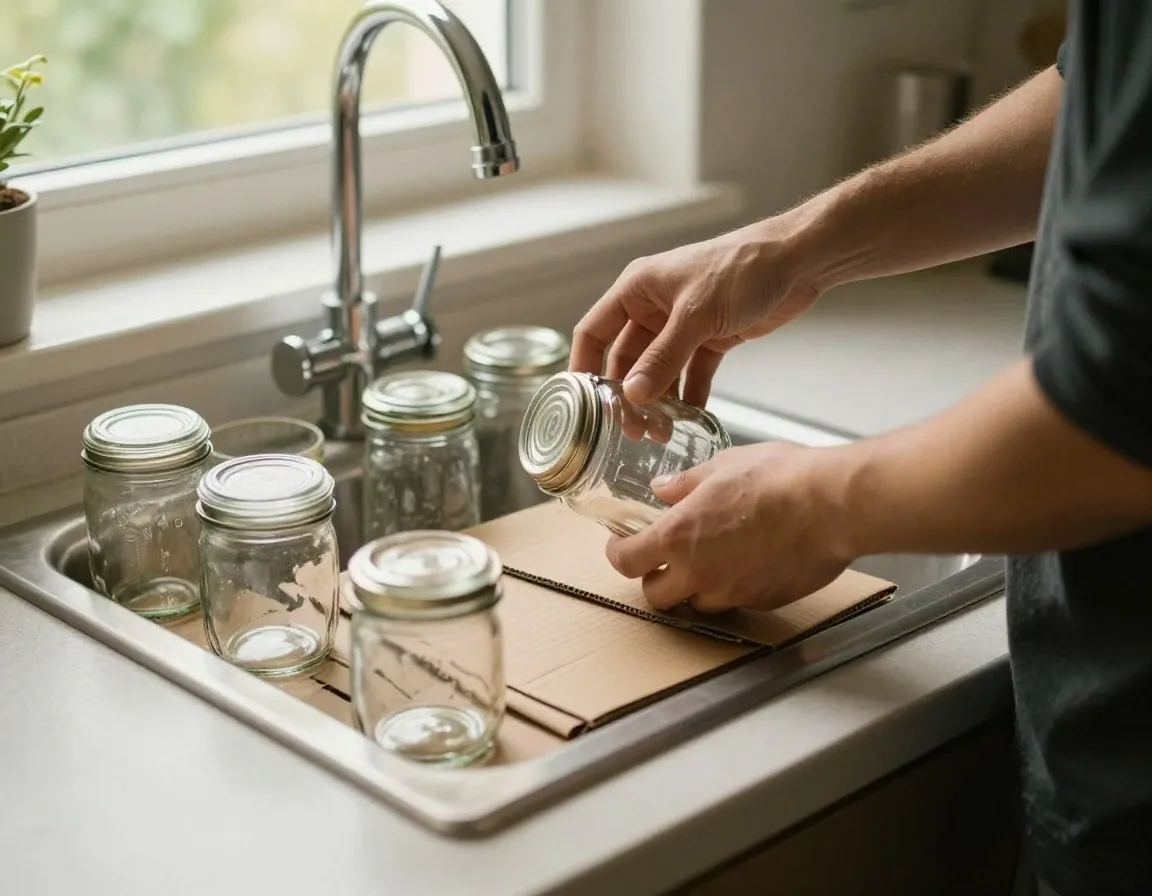
Recycling breaks an item down to make something new, and in the UK a lot of what goes in the recycling bin still ends up incinerated or exported. Upcycling keeps the item intact and gives it a second job. A glass jar becomes a spice container. A worn shirt becomes cleaning rags or a tote bag.
Recycling
Breaks the material down. Needs collection, sorting and industrial energy.
Upcycling
Keeps the item whole. Usually costs nothing and happens on your kitchen table.
That distinction matters because upcycling is cheaper, uses less energy, and you can do it on a Tuesday evening with what's already in the cupboard. The upcycling guide has starter projects for people who have never picked up a paintbrush — creative upcycling ideas for glass jars, worn shirts and chipped crockery.
Browse upcycling projectsIf you only read one thing
A realistic starting point for beginners
Zero waste does not mean producing no waste at all. It means being deliberate about what you bring into the house and what you send out. Start with the visible, high-frequency items: shopping bags, coffee cups, water bottles, produce bags. These are cheap to replace and you will notice the change within days.
Once those feel normal, move to food storage and cleaning products. Trying to overhaul everything in a weekend is the fastest way to give up by Wednesday. Slow swaps hold; crash diets for your bin don't.
-
One
Count the bin for a week. Note packaging, food, bathroom plastic. No judgement, just the list.
-
Two
Change two habits in the worst room. Usually the kitchen. Run them for a fortnight.
-
Three
Add a third only when the first two feel automatic. That's when a habit stops being a project.
-
Four
Take on one room at a time. Kitchen first, then bathroom, then laundry. Not all four in one afternoon.
Where changes stick quickest
Kitchen swaps that pay for themselves
The kitchen is where waste accumulates fastest and where zero waste kitchen swaps take hold within days. Four swaps do most of the work, and none of them need a subscription or a specialty shop.
Swap one
Reusable produce bags and loose veg
- Loose fruit and veg skip the film wrap entirely. A reusable produce bags guide helps you pick sizes that actually fit your shop.
- Most UK supermarkets sell loose produce — you just have to skip the pre-packaged shelf.
Swap two
Beeswax wraps and plastic free food storage
- Beeswax wraps usage and care is simple: cool water, mild soap, air dry. Hot water kills the wax and ends the wrap.
- Glass jars and lidded containers replace cling film on most leftovers, and they stack better in a small fridge.
Swap three
A refillable water bottle you actually carry
Only worth it if it leaves the house. Bottles that live in a cupboard are not a swap, they are clutter.
Swap four
A cloth or loofah instead of plastic-wrapped sponges
Eco friendly kitchen cleaning mostly comes down to cloth, castile soap, vinegar and bicarbonate of soda.
Empty the cupboard first
What to do with the things you already own
Before you replace anything, ask whether it can be repaired, refilled or repurposed. Old t-shirts make excellent cleaning cloths and won't shed microplastics like synthetic rags. Glass jars with tight lids are freezer-safe and better than most plastic tubs. Stained mugs become plant pots after a drill and a drainage hole.
The goal is to empty the cupboard before you refill it. Reusing everyday items first is the cheapest version of eco friendly living ideas — and the least likely to end up in a drawer.
See eleven projects by difficulty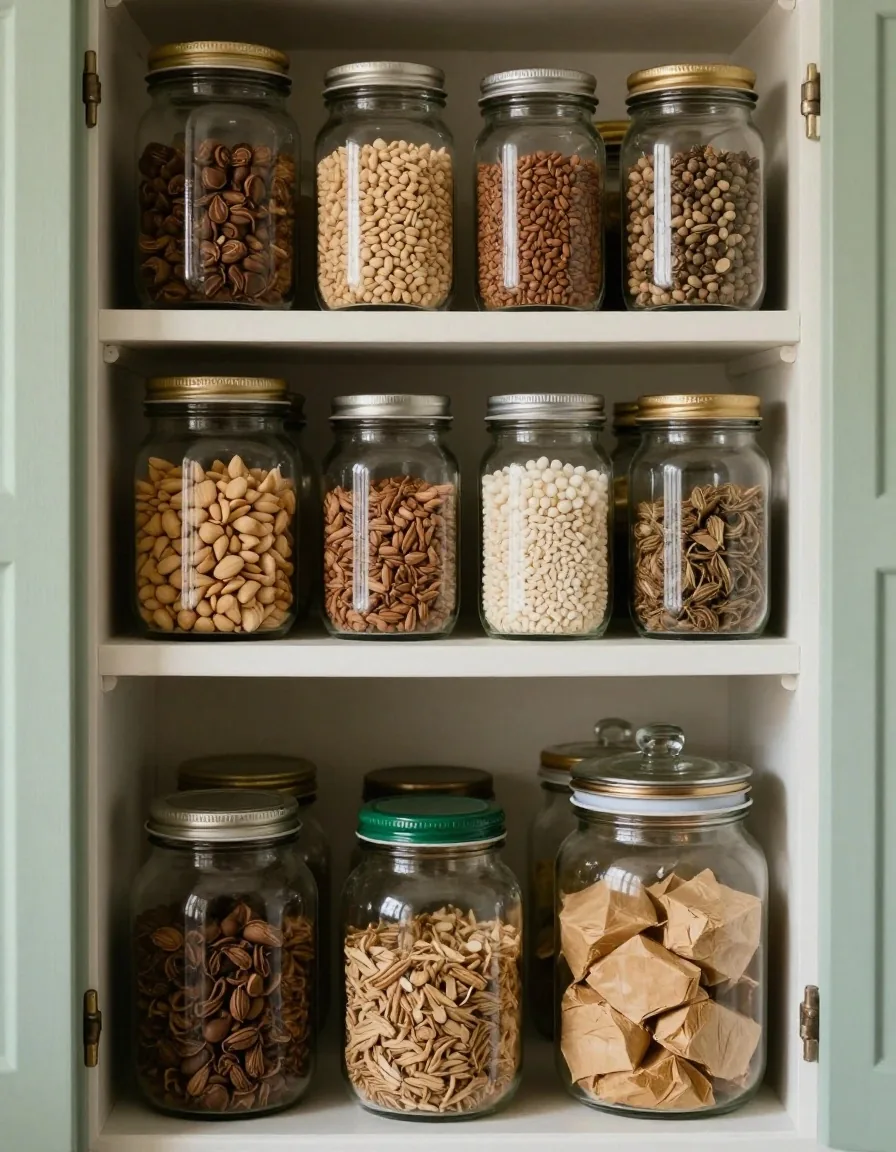
Buying less, buying differently
Shopping without the plastic trail
Buying less is the most effective waste strategy, and buying differently is the second. Loose produce, refill stations, bulk dry goods and second-hand clothing all cut packaging before it reaches your bin. The catch is that "sustainable" is a crowded label, and plenty of "eco" products arrive wrapped in plastic anyway.
The sustainable shopping guide explains how to read packaging, when buying in bulk really does save money, and which plastic free alternatives are worth the switch — plus practical sustainable shopping tips for a weekly shop at a normal UK supermarket.
Read the shopping guide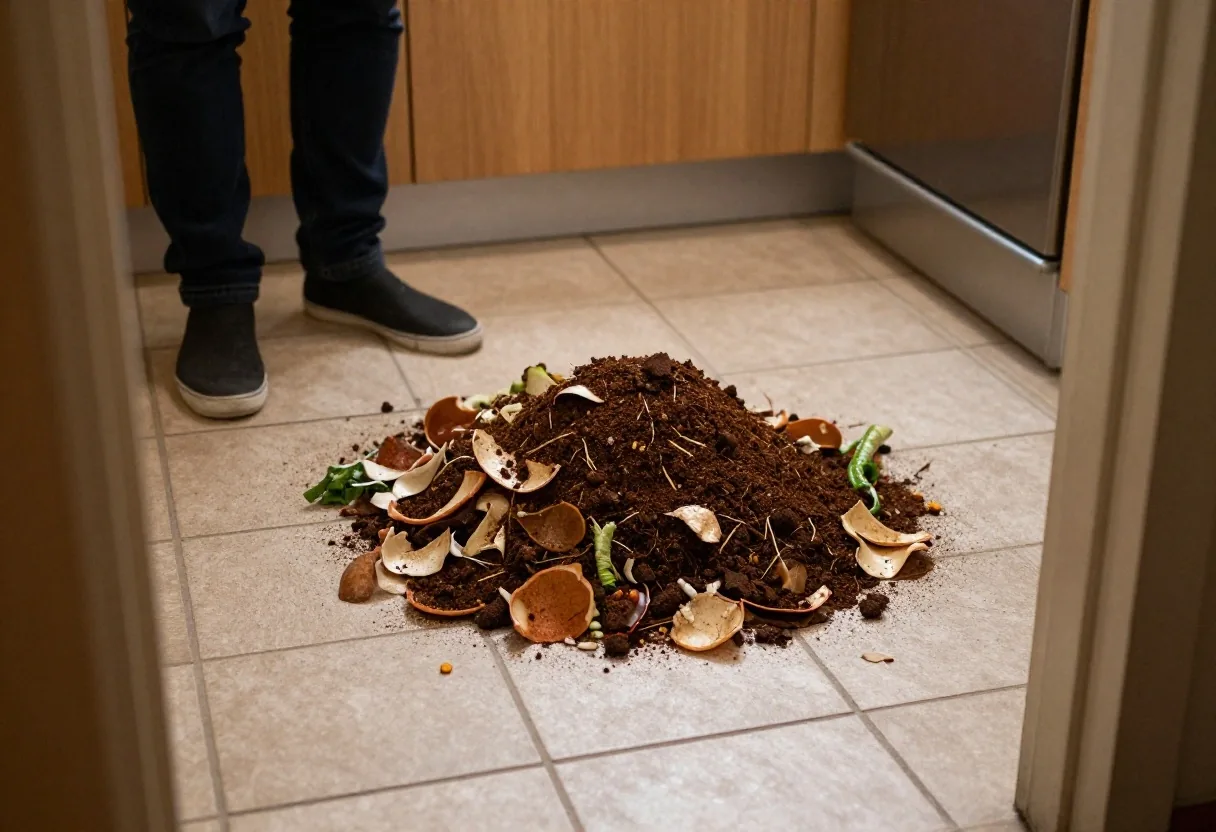
No garden required
Composting without a garden
You can compost in a flat. A bokashi bin or a wormery fits under most kitchen sinks, handles cooked food as well as peelings, and produces liquid feed you can dilute for houseplants. If you have a balcony or a small yard, a tumbling composter handles garden waste too.
If you have neither, many UK councils collect food waste separately, and some community gardens accept drop-offs. Composting food scraps at home is the single biggest way to shrink what goes in your general waste bin, and it costs less than a takeaway.
Honest limits
Reusable exceptions and honest limits
Some swaps are not worth it. Reusable coffee cups you never carry are worse than the paper one you would have used. Silicone food bags you cannot clean properly end up in a drawer. Beeswax wraps stop working if you wash them in hot water. We flag these because pretending every swap is perfect helps nobody. The best low waste habit is the one you will actually repeat.
How we choose what to recommend
We don't take payment for product mentions. When a guide names a category, it names the category because it appears repeatedly in reader questions. We test where we can, and we say so when we haven't. If a swap is expensive, fiddly, or only works in a specific kind of home, we say that too.
Common questions
Four things readers ask before they start. Tap a row to open it.
Do I need to buy special containers to start zero waste living?
No. Most kitchens already have glass jars, takeaway tubs and cloths that can do the same job. Buy new only when what you own breaks or doesn't work for what you are storing.
Is zero waste expensive?
It can be, if you try to buy a whole new kitchen at once. Starting with what you already have, then adding one swap at a time, usually costs less than the disposables it replaces over a year.
I live in a flat with no garden. Can I still compost?
Yes. A bokashi bin or a wormery fits under a sink, and many UK councils collect food waste separately. Community gardens in most cities also accept drop-offs.
What's the difference between upcycling and recycling?
Recycling breaks an item down to make something new. Upcycling keeps the item whole and gives it a second use, like turning a jam jar into a spice container. Upcycling usually uses less energy and you can do it yourself.
If you'd rather follow a sequence
Reading suggestions for week one
That is about six hours of reading and a lifetime of small decisions. Read in this order if you would rather follow a sequence than wander.
Start with one room this week
Pick the room where your bin fills fastest
Usually the kitchen, sometimes the bathroom. Read the matching guide, pick two changes, and run them for a fortnight before adding a third. That is the whole method. If you only do one thing after reading this page, count your bin for a week — it will tell you where to look next.