
Low waste laundry routines
Washing cooler, dosing properly and getting more wears out of clothes before they hit the basket — with the parts that don't work for shared machines.
In progress
Zero waste living, sorted for UK homes
About the editors
Rethink & Reuse is a UK editorial resource about zero waste living and upcycling, written for households that want practical changes without the guilt or the aesthetic. We publish guides, not products, and we don't take payment for mentions.
This page explains who runs the site, how the guides are researched, and what our editorial standards mean in practice. If you arrived here from a search and want to know whether to trust what you're reading, that is exactly what this page is for.
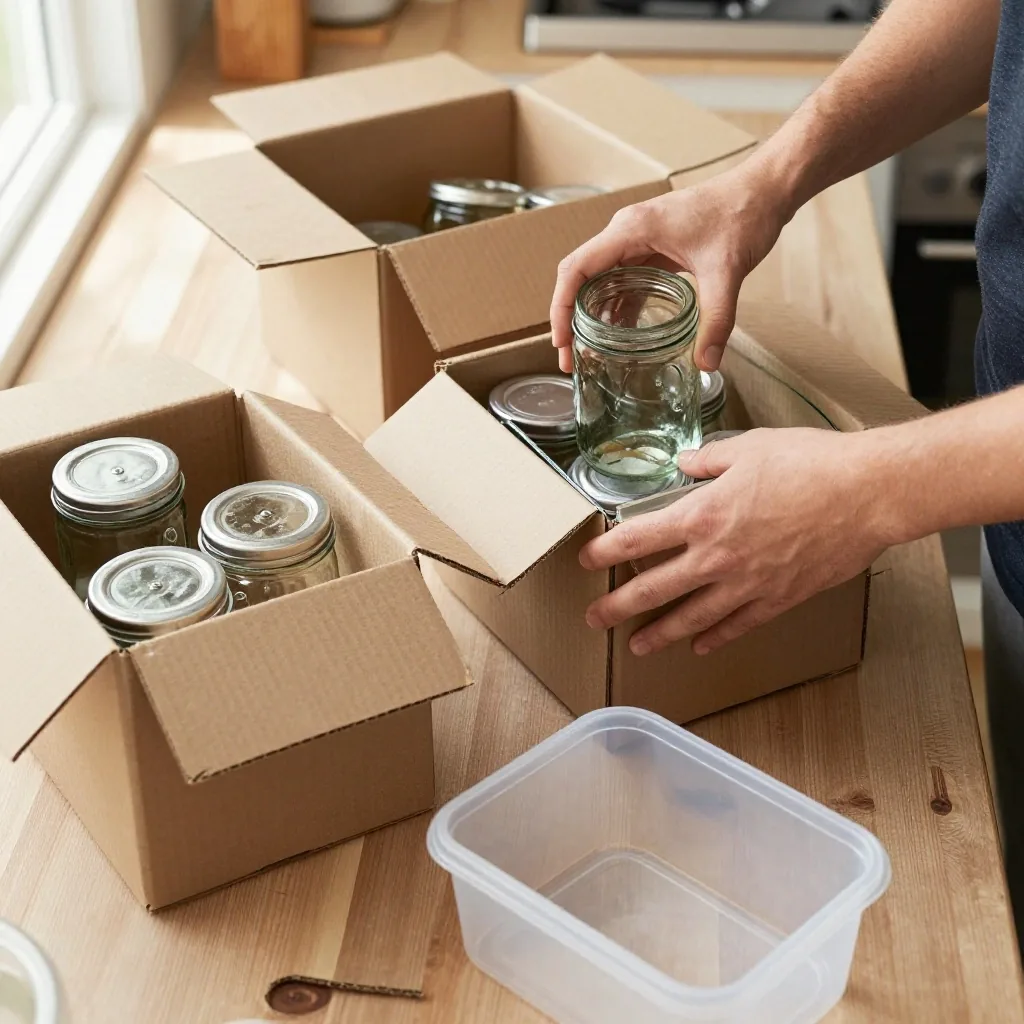
Research
Council rules and manufacturer instructions checked first
Testing
Swaps tried in ordinary homes, not studios
The people
Rethink & Reuse is run by a small editorial team based in the UK, with backgrounds in environmental writing and household sustainability. We live in ordinary homes: a rented flat, a Victorian terrace, and a new-build with a small garden between us. That shapes what we write about.
We don't recommend kit we haven't used, and we don't assume readers have outdoor space, a car, or a big budget. A lot of sustainable lifestyle habits advice quietly assumes a house with a garden and a spare afternoon; most of ours was written from a second-floor flat with one windowsill. The site is independent and funded by the guides themselves, not by brand partnerships.
Method
Every guide starts with a question we've seen readers ask repeatedly, either in emails or in search. We research the answer across a mix of sources, and we try to be honest about which kind of source we're leaning on.
Official guidance first. Council recycling rules, government publications and local collection details, because those decide what actually happens to your bin on collection day.
Manufacturer instructions where they matter. Care labels on beeswax wraps, storage guidance for plastic free food storage containers, and washing advice that keeps reusable items working longer than a one-off alternative.
Our own testing at home. Composting food scraps at home in a small caddy, cleaning with bicarbonate rather than a cupboard of bottles, running reusable produce bags through a year of weekly shops. If something failed for us, we say so.
Where a claim depends on local rules, we say so. Kerbside collection varies between councils, and a swap that works in one borough can be pointless in the next. We point readers to their own council instead of pretending there is one national answer.
Where something is uncertain, we say that too. We don't cite a source for every sentence, because that makes guides harder to read than the thing they're explaining, but we can share the basis for any specific claim on request. Ask on the Contact page and we'll tell you what we were working from.
What we do
Every recommendation names the situation it suits — rented, no garden, tight budget — rather than assuming a detached house.
Swap guides show the real effort involved, including the parts that take longer than the habit they replace.
When the honest answer is that a swap isn't worth it for most households, the guide says that plainly.
What we don't do
No payment for product mentions, and no sponsored content dressed up to read like editorial.
No invented metrics, studies or awards. If we don't have a number, we describe what we observed instead.
No claiming a product is proven sustainable, because that phrase rarely survives a closer look at what it means.
No quiet swaps between tested advice and reader consensus — where a point comes from readers rather than us, the guide marks it as such.
The point is for readers to be able to tell the difference between what we know and what we're repeating. Where we haven't tested something, we say so. Where a recommendation is based on reader consensus rather than our own experience, we say that as well.
Corrections
We make mistakes. When we do, we correct them and note the change at the bottom of the guide, so you can see what moved and when. If you spot something wrong, the Contact page is the fastest way to reach us.
Please include the guide name and the specific claim, plus a source if you have one. We aim to respond within a few days. Corrections that affect health, safety or money get priority — and we don't remove guides for being unpopular, only for being wrong.

Independence
Most zero waste sites either sell products or earn commission from them. We don't, because a recommendation stops being independent the moment a sale is involved. That doesn't mean we're against buying things. Households buy things constantly, and some swaps are worth the money.
What it means is that when we say a swap isn't worth it, you can trust that we aren't losing revenue by saying so. The guides recommend categories and swaps where they make sense — a reusable produce bag that survives a year of shopping, a container that actually stacks — and skip the rest.
The site is funded by the guides themselves, which keeps the incentives pointed at readers rather than at brands. There is no affiliate link to click on this page, and no product we've been paid to place in a guide.
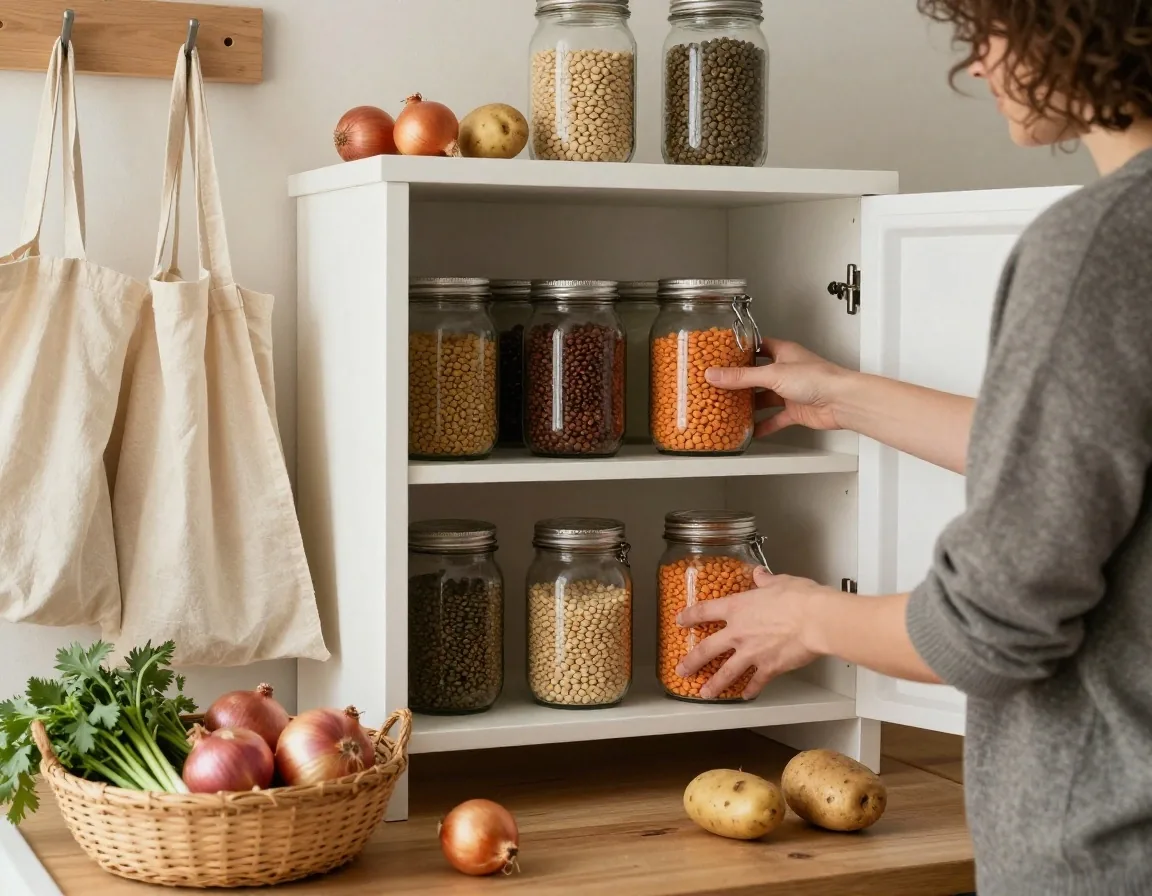
Honestly
The goal isn't to make anyone feel bad about their bin. It's to make low waste living feel doable for people who don't have time to research every swap. That means fewer, better guides, and honest limits on what each swap actually achieves.
Zero waste living in the UK is harder than it should be. Refill shops aren't everywhere, council rules vary from borough to borough, and a lot of packaging is designed in a way that makes it unrecyclable in practice. We write for that reality, not for a tidier version of it that doesn't exist. If a guide ends with the conclusion that the easiest win is simply buying less of one thing, that's a real answer, not a cop-out.
Keep it doable
Advice sized for a weekly routine, not a weekend project.
Name the limits
Every swap guide says what it won't fix as well as what it will.
Next up
Guides in progress, in the order we expect to publish them. These take longer than they look — each one needs a round of testing in our own homes before it goes up.
Washing cooler, dosing properly and getting more wears out of clothes before they hit the basket — with the parts that don't work for shared machines.
In progress
What's realistically fixable at home, what needs a repair shop, and how to decide which is worth it before you take anything apart.
In progress
Sourcing, moving and repairing furniture without a van, a landlord's permission, or a permanent place to put it.
In progress
If there's a topic you'd like us to cover, the Contact page is the place to suggest it. We read every suggestion even if we don't reply to all of them, and reader questions are where most of our guides start.
Straight answers
No. The site doesn't run sponsored content and doesn't earn commission from product links. Guides recommend categories of thing where a swap makes sense, and say so when it doesn't.
Yes. Use the Contact page and tell us what you'd like to see. We read every suggestion, though we can't promise to write them all.
Message us through the Contact page with the guide name and the specific claim. Corrections get priority over new content, and health, safety or money corrections come first.
The Zero Waste Starter Guide is built for that — zero waste tips for beginners, in the order that actually saves the most waste for the least effort. Start with one or two swaps rather than all of them.
Our email is read by the same people who write the guides, and we do reply. If you want to know how something here was researched before you rely on it, say so and we'll set it out.