
Kitchen guide · four swaps
Zero waste swaps for the kitchen
The kitchen is where most household waste originates, and it's also where changes stick quickest because you're in there daily. This guide covers four areas: food storage without plastic, cleaning without disposables, shopping that cuts packaging at the source, and composting what's left. It assumes a normal UK kitchen, rented or owned, with no special equipment beyond what most homes already have.
You don't need to replace everything. Replace what you use weekly, and replace it when it runs out.
The four areas
Where kitchen waste actually comes from
Work through these in the order you'll meet them during a normal week. Storage and cleaning are the fastest wins because you touch those items daily. Shopping cuts packaging before it enters the house, which counts more than any swap you make afterwards.
Food storage without cling film
Reusable wraps, glass containers, and cloth cover the same jobs cling film does. A set of three tools replaces almost all of it.
Cleaning the kitchen without plastic
Vinegar, bicarbonate of soda, a bar of castile soap, and cloths handle most surfaces. Refills beat new bottles every time.
Shopping that cuts packaging at the source
Loose produce, bulk dry goods, returnable milk bottles, and counter service. Buy the item, not the packaging.
Composting food scraps at home
Outdoor bins, bokashi, or a wormery, plus the council collection as a fallback. This is the biggest single cut to bin volume.
Swap one
Food storage without cling film
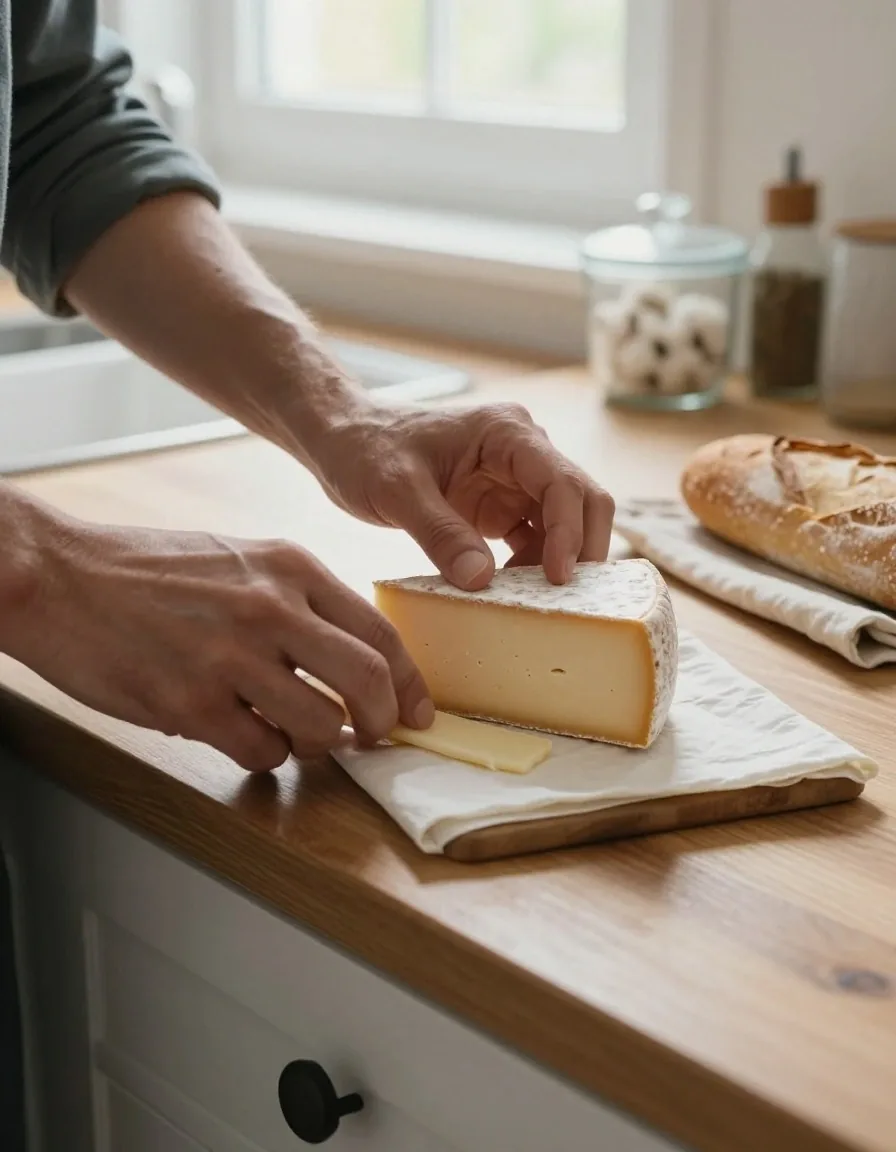
Cling film is convenient and almost impossible to recycle, so the goal is to replace it with something reusable. The switch isn't one product replacing another; it's a small set of tools covering most jobs.
Once you have three of them, cling film stops appearing in your bin.
- Beeswax wraps
- Cheese, cut vegetables, and covering bowls. They hold their shape when warm and are reusable for about a year.
- Glass containers with lids
- Leftovers and batch cooking. Freezer-safe, and they don't stain the way plastic does.
- Silicone bags
- An option worth trying, but they need thorough cleaning to avoid residue building up in the corners.
- Furoshiki cloth
- Works well for bread and sandwiches, and doubles as a way to carry a packed lunch without a bag.
Looking after them
Beeswax wraps: usage and care
Beeswax wraps are cotton cloth coated in beeswax, often with jojoba or tree resin. They work by warming in your hands and moulding around the item or bowl. To clean, use cool water and mild soap, because hot water melts the wax. They aren't for raw meat or fish, and they shouldn't go in the microwave or dishwasher. With care, a wrap lasts about a year.
When the wax wears thin, you can refresh the wrap by grating beeswax over it and melting it in a low oven. If it's beyond refreshing, cut it into firelighters. The main mistake people make is washing them in hot water and assuming they're broken when the wax comes off.
Warm in your hands
Body heat softens the wax enough to mould the cloth over a bowl or around food.
Cool water only
Mild soap and a cool rinse, then air dry. Hot water strips the coating in one wash.
Refresh the wax
Grate a little beeswax over a thinning wrap and melt it back in on a low oven setting.
Swap two
Cleaning the kitchen without plastic
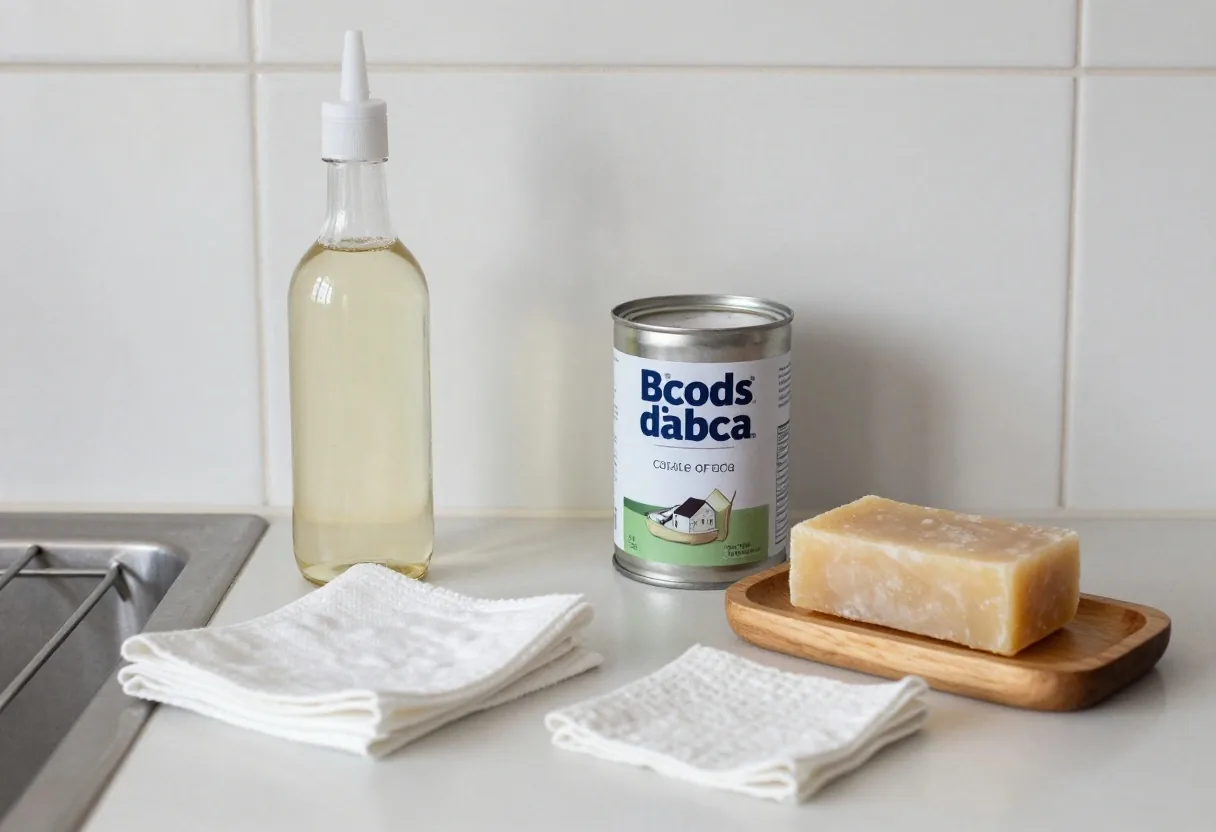
Four things handle most kitchen cleaning: white vinegar, bicarbonate of soda, a bar of castile soap, and cloths. Vinegar tackles limescale and grease. Bicarb scours and deodorises. Soap cuts through oil. Cloths in cotton or cellulose replace paper towels entirely.
Dish soap comes in bars or refillable bottles, and dish brushes with replaceable heads last years. Sponges can be cut in half to double their working life. Oven cleaners are the exception where a specialist product often works better, and that's fine; being pragmatic beats being rigid. The plastic in this room is almost entirely from packaging, so refills are the biggest single win.
White vinegar
Diluted in a spray bottle for worktops and splashbacks. It shifts limescale around taps and cuts through grease on the hob.
Bicarbonate of soda
A scouring powder for sinks, pans, and the inside of the fridge. Leave it in the fridge door to absorb smells between cleans.
Castile soap bar
Grated into hot water for floor and surface washing, or rubbed onto a cloth for greasy pans. One bar lasts months.
Cloths and brushes
Cotton or cellulose cloths go in the wash instead of the bin. Dish brushes with replaceable heads are the one item worth buying well.
Swap three
Shopping that cuts packaging at the source
This step cuts more waste than any kitchen gadget you could buy.
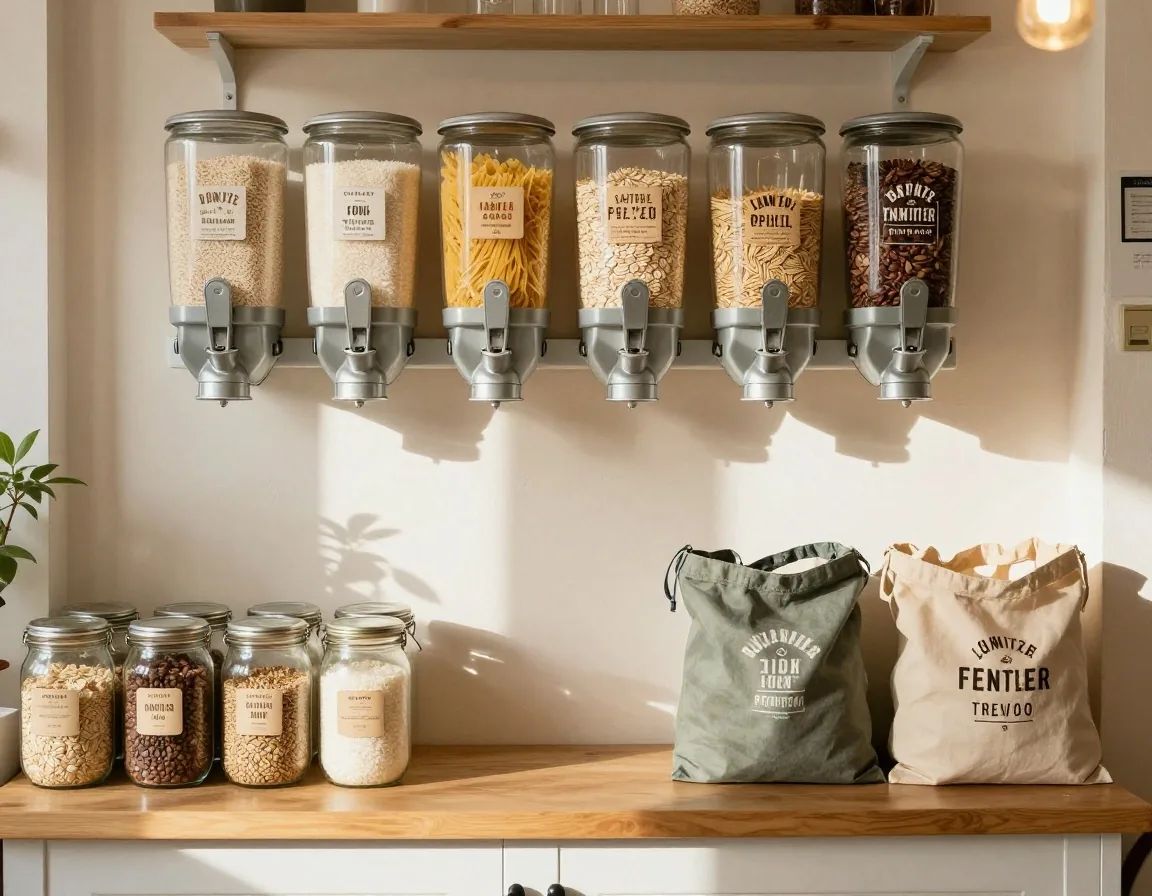
The pattern is simple: buy the item, not the packaging. Most of it is already available in shops you pass on a normal week, though it helps to ask before you hand over your own container.
Loose fruit and veg
The easiest change. Most UK supermarkets sell fruit and veg loose, and reusable produce bags weigh almost nothing on the scale.
Refill and bulk dry goods
Rice, pasta, oats, and pulses come loose from refill shops and increasingly from supermarket bulk sections. Bring your own jars and bags.
Returnable milk bottles
Some dairies and local milk rounds still deliver in glass bottles and collect the empties on the next run. Worth checking what covers your postcode.
Bakery and counter service
Bread from a bakery comes without a plastic bag. Cheese and meat can be bought at a counter with your own container in many shops, though it's worth asking first.
Swap four
Composting food scraps at home
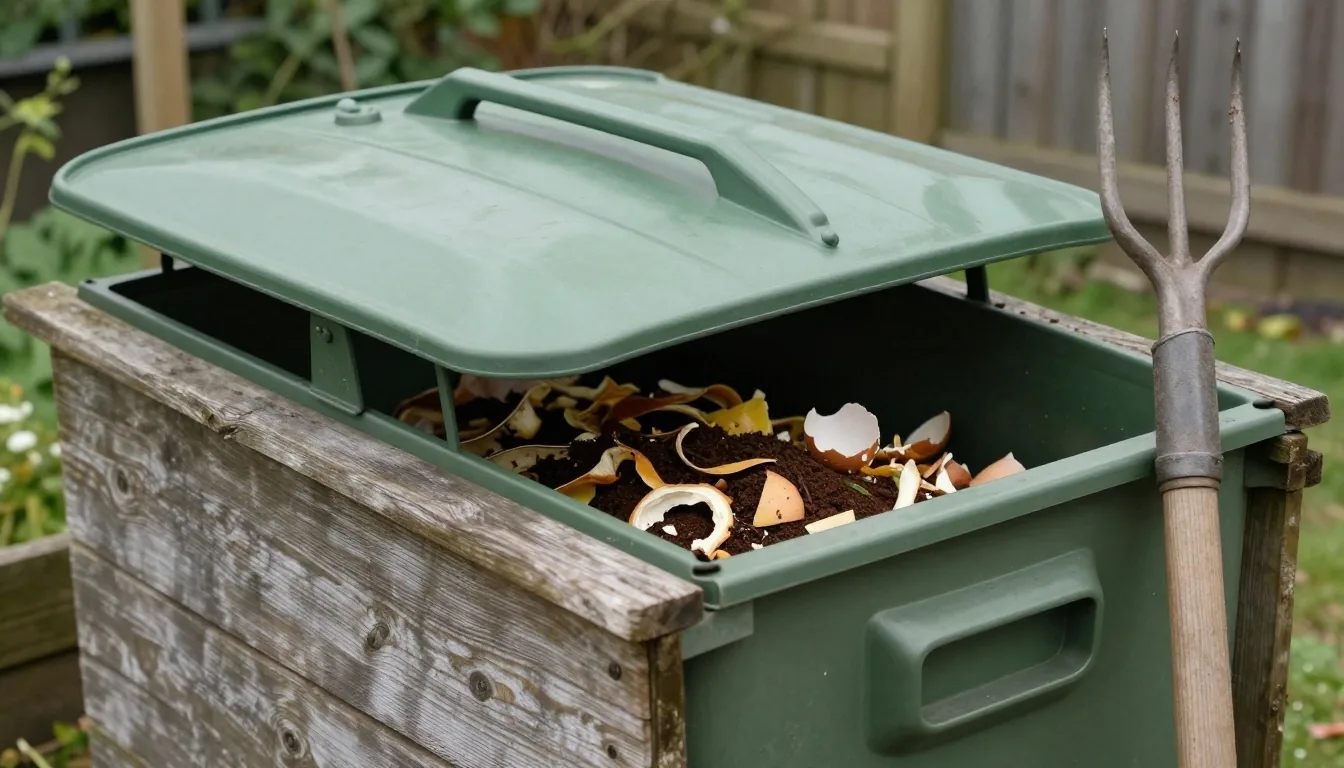
Three systems work in a UK home, and the one you pick depends mostly on whether you have a garden and how much cooked food you throw away. Whichever you choose, the output goes back into soil, which closes the loop.
Most councils also collect food waste separately, which is the fallback option if none of the above suits your home. Composting is the biggest single reduction in kitchen bin volume.
Outdoor compost bin
Handles fruit and veg peelings, tea bags that are plastic-free, coffee grounds, eggshells, and garden clippings. Needs a spot outside and a little turning every few weeks.
Bokashi bin
Ferments everything including cooked food, dairy, and small amounts of meat. Works indoors, fits a cupboard corner, and takes a scoop of bran after each addition.
Wormery
Produces excellent compost but needs more attention in winter, when worms slow down and the bin can get wet.
Before you compost it
Reducing food waste before it happens
Composting is the safety net; the real win is not wasting food in the first place. Three habits help, and none of them need equipment.
-
Plan three dinners you'll actually cook, and shop for those specifically. Three is enough to cover the week without turning into a meal-planning project.
-
Keep a use-first shelf in the fridge for items about to turn, so they get eaten before the newer shopping behind them.
-
Learn one flexible recipe, like a frittata, soup, or fried rice, that absorbs whatever is left at the end of the week.
Stale bread becomes croutons or breadcrumbs. Wilting herbs become pesto or frozen cubes in oil. Vegetable trimmings become stock. These habits save money as well as waste, which is often the argument that convinces the rest of the household.
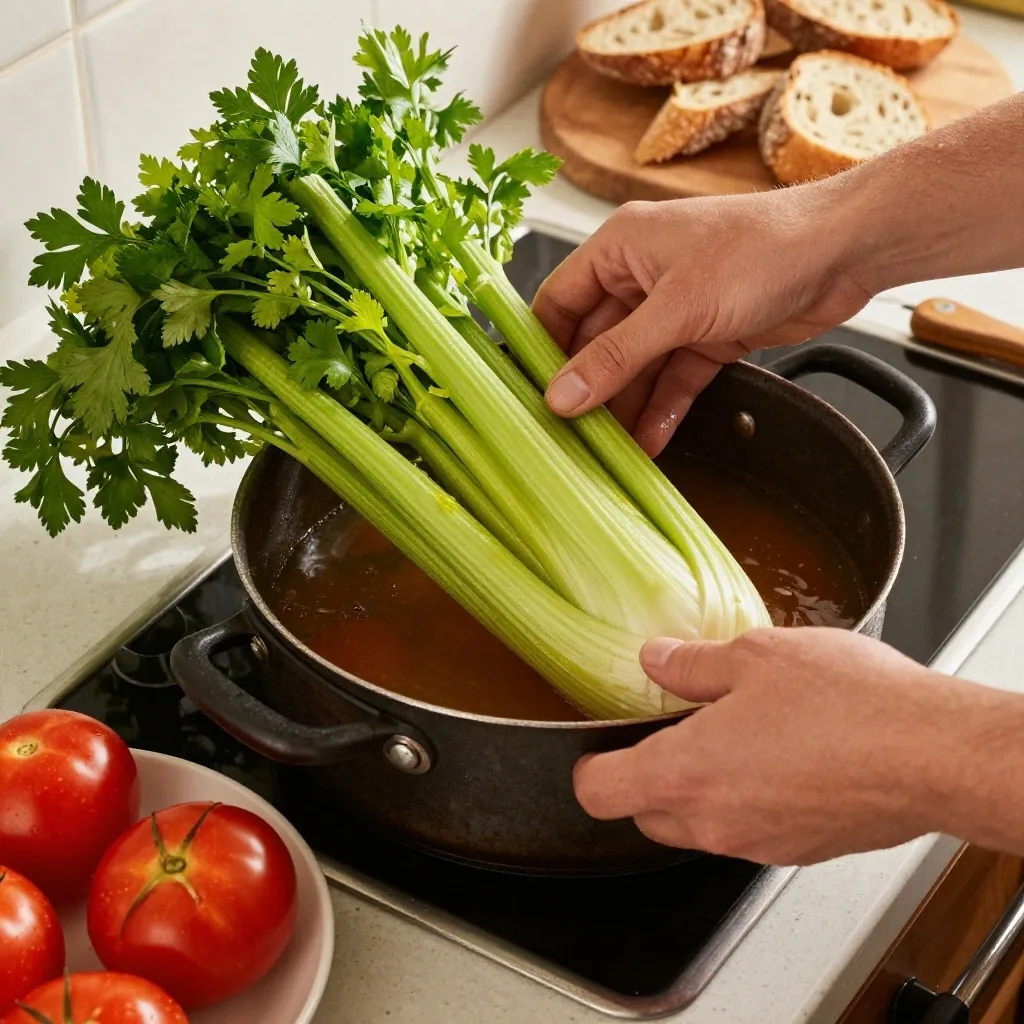
Worth it or not
Reusable produce bags, and whether they're worth it
Reusable produce bags are worth it if you buy loose fruit and veg regularly, and pointless if you don't. The good ones are lightweight so the scale doesn't punish you, breathable, and washable. Cotton and mesh both work; mesh dries faster.
You need two or three, not ten. If you forget them, paper mushroom bags or nothing at all both work, since loose produce doesn't legally require a bag in UK shops.
Buy a small set if
- You buy loose fruit and veg most weeks
- You want the shop to stay quick and tidy at the till
- You'll keep them in a coat pocket or bag you already carry
Skip them if
- Most of your produce already arrives bagged
- You know you'll leave them in a kitchen drawer
- You shop mainly for bread, dairy, and tins
The bag is a convenience, not a rule. If you're going to forget it, keep it in your coat pocket rather than a kitchen drawer.
Questions
Kitchen swaps, answered
Can beeswax wraps go in the fridge?
Yes. They work well for cheese, cut vegetables, and covering bowls in the fridge. Just don't use them for raw meat.
How do I clean a beeswax wrap?
Cool water and mild soap, then air dry. Hot water melts the wax, and dishwashers destroy it.
What can I compost if I don't have a garden?
A bokashi bin or a wormery fits indoors and handles most food scraps. Council food waste collections are the fallback if neither suits.
Are reusable produce bags actually necessary?
No. Loose produce doesn't require a bag. They're a convenience for people who buy loose regularly and want to keep it tidy.
Keep going
Take the swaps further than the kitchen
The Low Waste Home Guide walks the rest of the house room by room, and the Sustainable Shopping Guide covers what to look for before you buy. If you'd rather ask something specific, the editors read every message.
Rethink & Reuse is an editorial resource based at 42 Bramley Road, London, N14 4HD. We publish practical guides and don't sell the products we write about.
Mon–Fri 9:00–18:00 · Sat 10:00–14:00